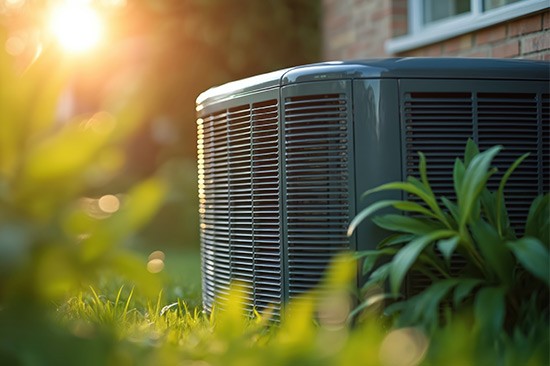
If you've started shopping for a new air conditioner, you've probably discovered one thing quickly: there isn't a single price that fits every home.
A quick online search may tell you a new AC unit costs anywhere from a few thousand dollars to well over $15,000. While those numbers aren't necessarily wrong, they don't explain why prices vary so much or what you're actually paying for.
For a typical 1,500-square-foot home in South Florida, the cost of replacing an air conditioning system depends on much more than the equipment itself. Your home's layout, insulation, ductwork, electrical system, humidity levels, and the quality of the installation all play an important role.
Understanding those factors will help you compare estimates more confidently and avoid making a decision based on price alone.
There Isn't One Price for Every 1,500-Square-Foot Home
One of the biggest misconceptions homeowners have is believing square footage alone determines what size air conditioner they need.
While your home's size is an important starting point, it isn't the only factor.
An HVAC professional should also evaluate:
- Ceiling height
- Window placement
- Insulation levels
- Sun exposure
- Number of occupants
- Existing ductwork
- Air leakage
- Indoor humidity
Two homes with the same square footage can require different equipment because they cool differently.
That's why reputable contractors perform an evaluation before recommending a replacement system instead of quoting equipment over the phone.
What Affects the Cost of a New AC System?
Several factors influence the final investment.
Equipment Type
Different systems have different price points.
Common residential options include:
- Straight cool systems
- Heat pumps
- Single-stage air conditioners
- Two-stage air conditioners
- Variable-speed or inverter systems
- Ductless mini-split systems
Higher-efficiency systems generally cost more upfront but may provide better humidity control, quieter operation, and lower energy consumption.
System Size
Many 1,500-square-foot homes use equipment in the 2- to 3-ton range, but there is no universal rule.
Installing equipment that's too large or too small can reduce comfort, increase operating costs, and shorten equipment life.
Proper sizing is one of the most important parts of a successful installation.
Installation Quality
The air conditioner is only part of the investment.
Professional ac installation includes much more than removing the old unit and connecting the new one.
A quality installation typically involves:
- Removing existing equipment
- Preparing the installation area
- Inspecting refrigerant lines
- Evaluating the drain line
- Making electrical connections
- Charging refrigerant correctly
- Verifying airflow
- Testing system performance
- Programming the thermostat
- Cleaning the work area
A well-installed mid-range system often performs better than a premium system installed poorly.
Existing Components Can Affect Cost
Some homeowners assume every part of the HVAC system is replaced during an installation.
That's not always the case.
Depending on the condition of your home, your contractor may recommend evaluating:
- Refrigerant line set
- Drain line
- Disconnect box
- Electrical whip
- Condensate safety devices
- Thermostat
- Minor ductwork repairs
If these components are in good condition, they may remain in service. If they're damaged or no longer meet current standards, replacing them can improve long-term reliability.
South Florida Adds Unique Challenges
Air conditioners in South Florida work much harder than systems in many other parts of the country.
Instead of operating only during the hottest months, many systems run for most of the year because of our heat and humidity.
That's why homeowners should look beyond purchase price and consider:
- Humidity control
- Energy efficiency
- Corrosion resistance
- Long-term reliability
- Serviceability
- Warranty coverage
Choosing equipment designed to perform well in this climate can make a noticeable difference in comfort and operating costs.
Should You Choose the Lowest Quote?
It's tempting.
Replacing an air conditioner is a significant investment, and everyone wants a fair price.
However, the lowest estimate isn't always the best value.
When comparing proposals, ask yourself:
- Is the equipment comparable?
- Are efficiency ratings the same?
- Is the warranty the same?
- Is permitting included?
- Will the contractor handle registration?
- Are they licensed and insured?
- Will company employees perform the installation, or subcontractors?
- Does the estimate clearly explain what's included?
Comparing "apples to apples" is one of the best ways to make an informed decision.
What Should Be Included in an AC Replacement Estimate?
A detailed proposal should clearly explain:
- Equipment model numbers
- Efficiency ratings
- Warranty information
- Scope of work
- Installation details
- Permit options
- Payment terms
- Optional upgrades
- Estimated installation timeline
If something isn't clear, ask questions before signing.
A trustworthy contractor should be happy to explain the recommendation and why it fits your home.
Can Financing Help?
For many homeowners, financing options make replacing an aging system easier to manage.
Depending on current programs, financing may offer promotional terms or flexible monthly payments for qualified buyers.
If you're comparing replacement options, ask what financing programs are currently available and whether utility rebates or manufacturer promotions apply.
Is Repair a Better Option?
Not every system needs to be replaced.
In many cases, repairing an air conditioner is the right decision.
Generally speaking:
- Smaller repairs on otherwise healthy equipment often make financial sense.
- Larger repairs on older, out-of-warranty systems may justify replacing the equipment instead.
A contractor should explain both options honestly instead of automatically recommending a new system.
What Should You Expect on Installation Day?
Most residential replacement projects can be completed in a single day.
A professional installation typically includes:
- Protecting floors and work areas
- Safely removing existing equipment
- Preparing the installation area
- Installing and connecting the new system
- Verifying refrigerant charge
- Testing airflow and electrical components
- Confirming proper drainage
- Programming the thermostat
- Explaining system operation
- Cleaning the work area before leaving
A quality installation should leave your home as clean as it was before work began.
Investing in Long-Term Comfort
Replacing your air conditioner isn't simply buying new equipment.
You're investing in your home's comfort, energy efficiency, and reliability for years to come.
The right contractor will help you choose equipment that fits your home, explain your options clearly, and install the system correctly the first time.
While price matters, long-term value comes from the combination of quality equipment, professional installation, and ongoing maintenance.
SAVE $100 NOW
*New Installations Only. Excludes Repairs.
Fill out the form or click to call (954) 680-6325
Frequently Asked Questions
In Conclusion
Replacing an air conditioner is one of the biggest investments you'll make in your home. Taking the time to understand what influences cost and what should be included in a professional installation helps you make a more informed decision. Rather than focusing only on the lowest price, compare equipment, workmanship, warranties, and the experience of the company standing behind the installation. A properly selected and professionally installed system can provide years of reliable comfort in South Florida's demanding climate.
Call B Cool today at (954) 680-6325 or get a free estimate online to get accurate pricing for your air conditioner.